Why is CFD necessary?
State of the Art
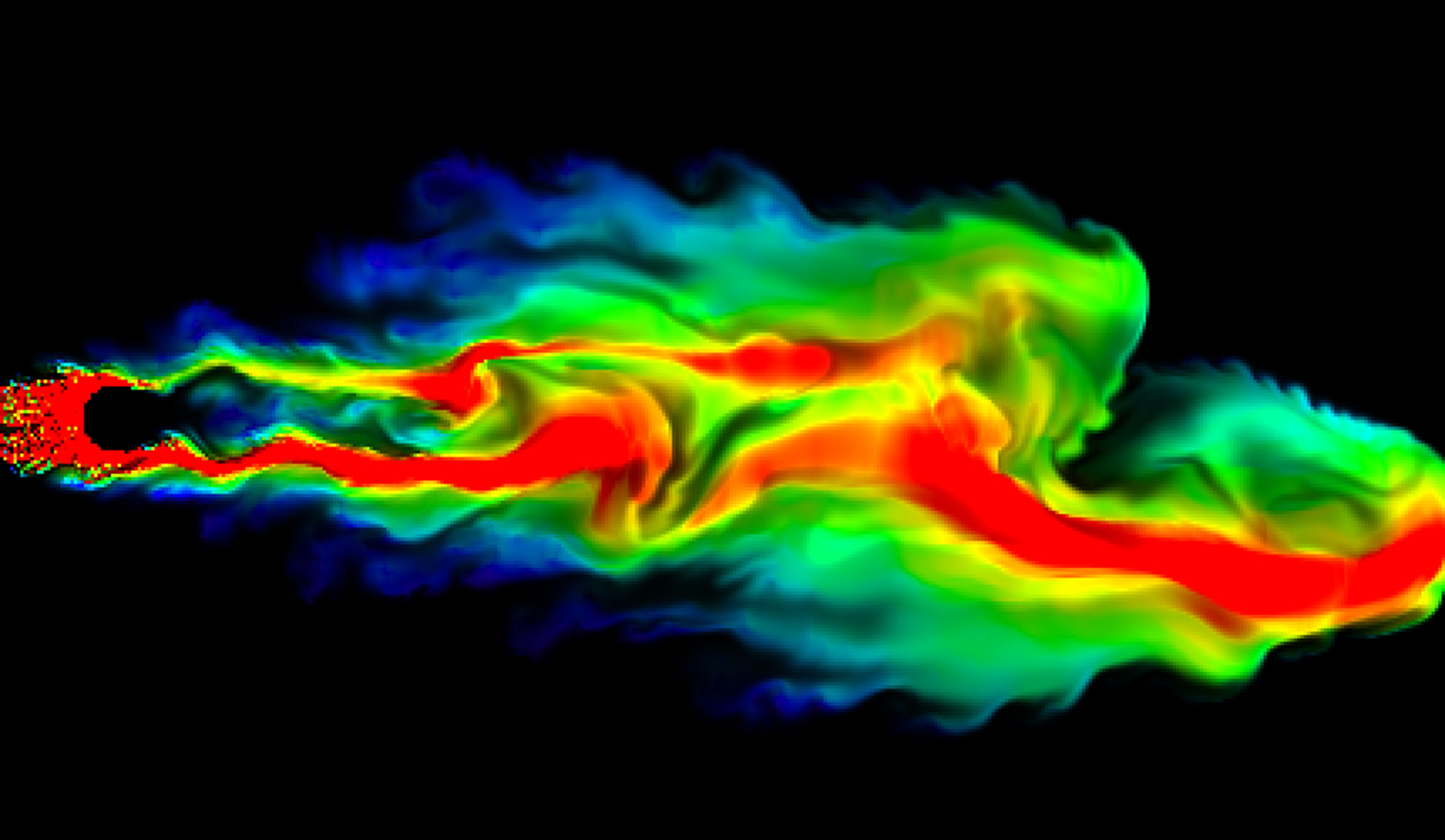
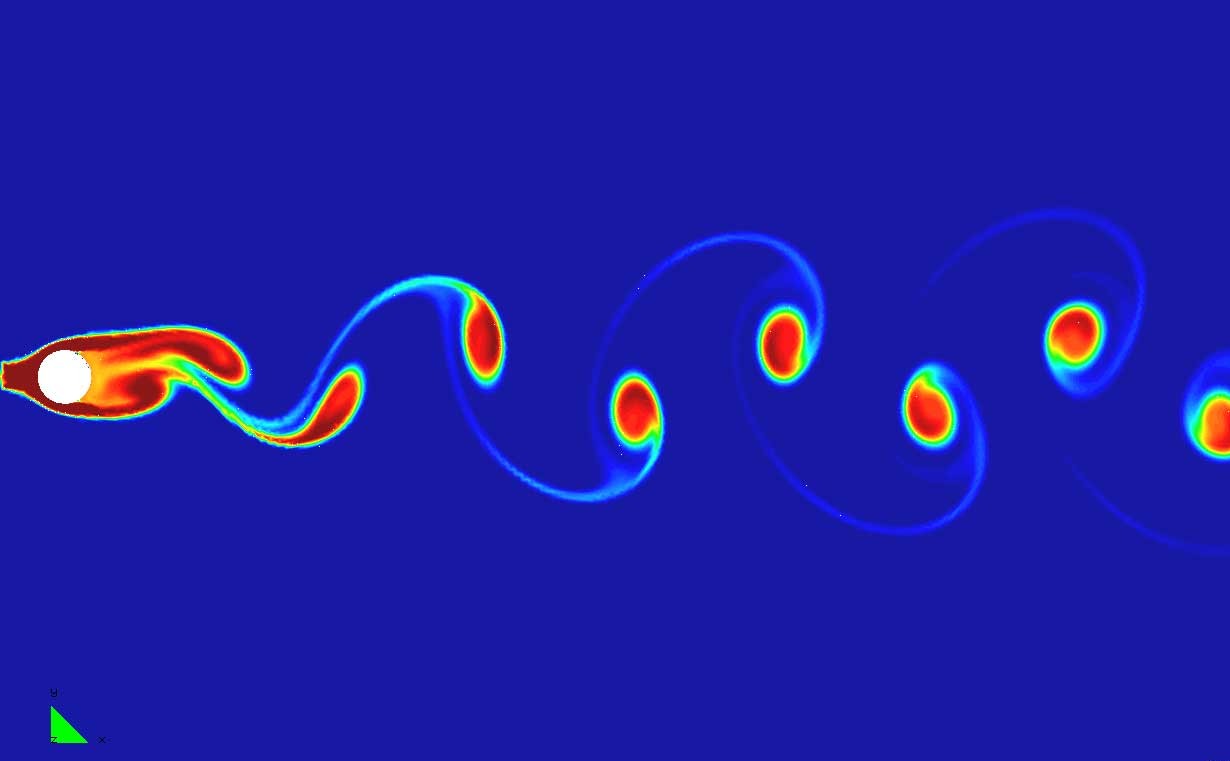
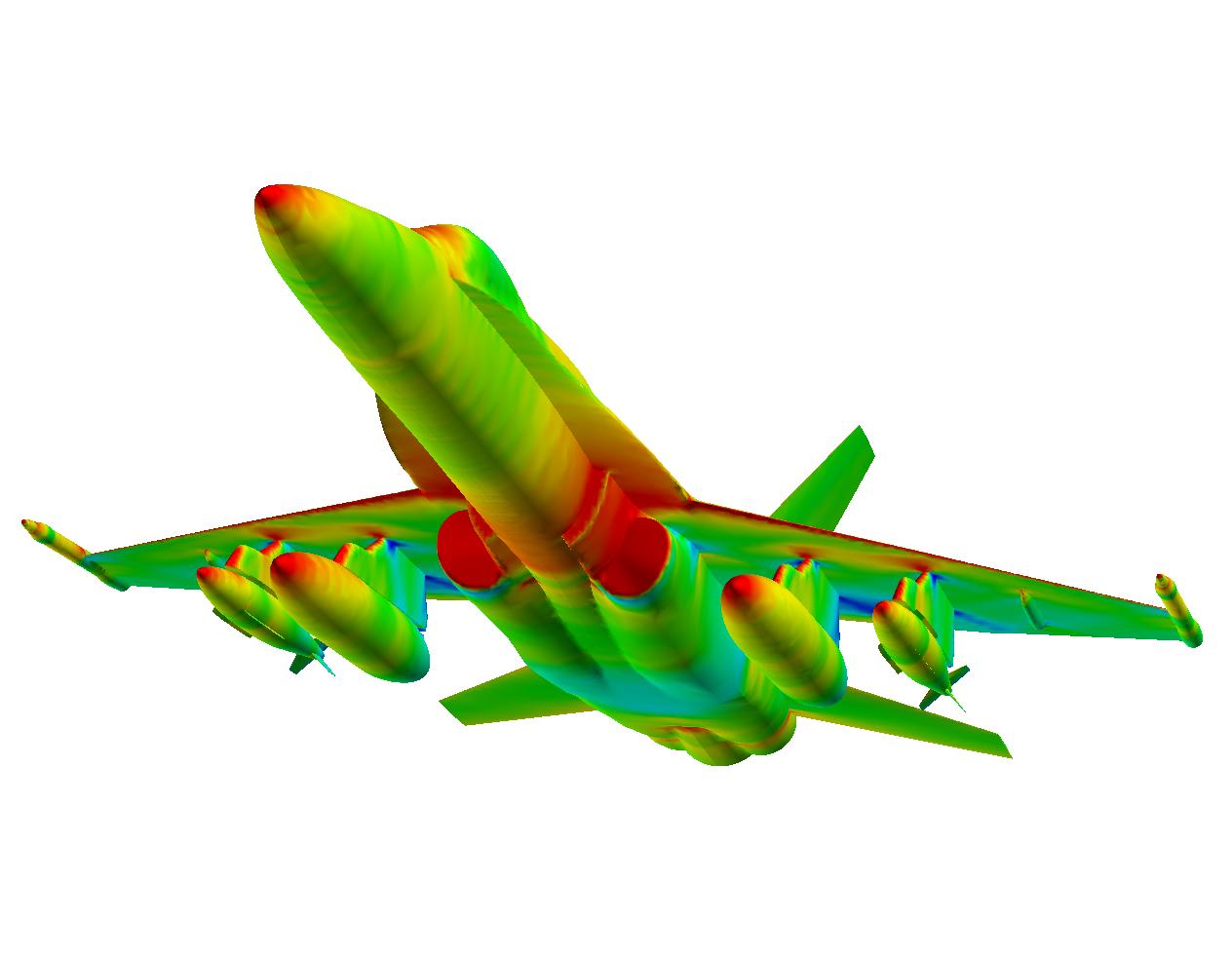
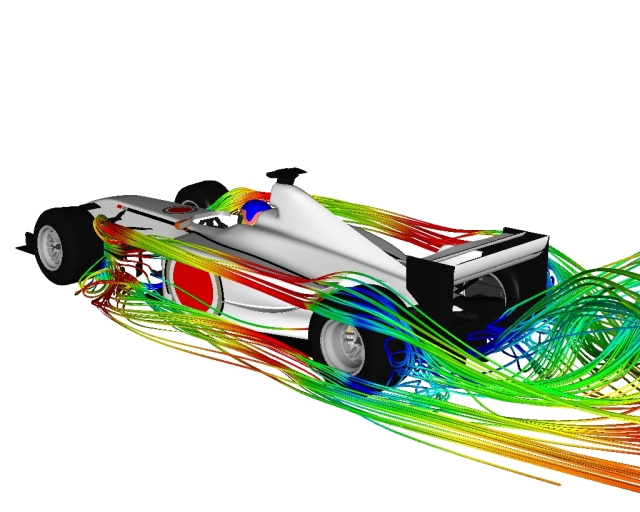
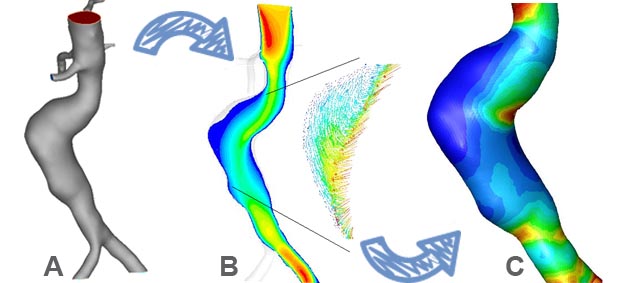
CFD is the state of art. It reduces experimental costs by designing any product beforehand. In CFD computers are used to perform the calculations required to simulate the interaction of liquids and gases with surfaces defined by boundary conditions.
Areas
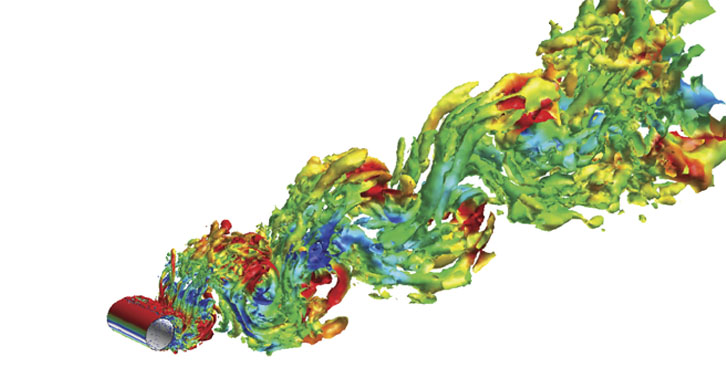
Turbulence i.e. RANS averaging, LES, DES, SAS, Multiphase Modeling i.e. VOF, Eulerian, Mixture, Species Transport Modeling i.e. species only transport, combustion with premixing, with non premixing, with partial premixing, Heat Transfer i.e. Conduction, Convection, and Radiation, Solidification, Melting, Discrete Phase Modeling.
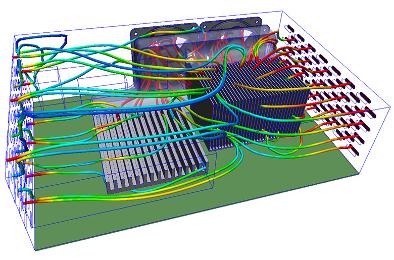
Simulation Methodology
Thee basic procedure followed in computational fluid dynamics is
- The geometry (physical bounds) of the problem is defined.
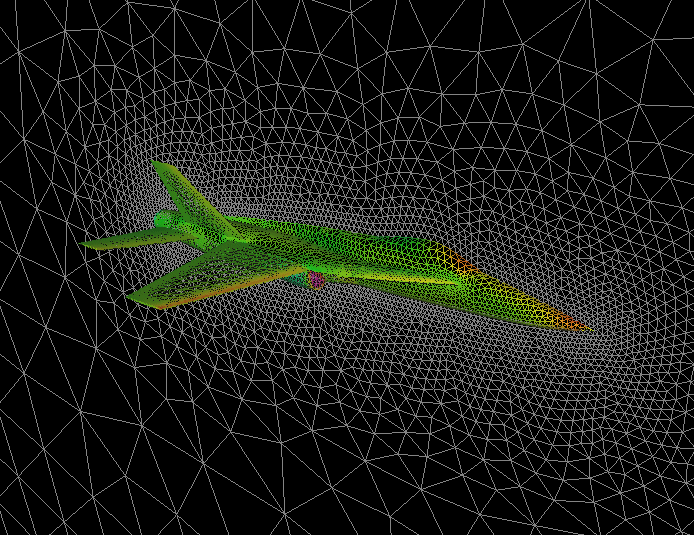
- The volume occupied by the fluid is divided into discrete cells (the mesh). The mesh may be uniform or non-uniform.
- The physical modeling is defined – for example, the equations of motion + enthalpy + radiation + species conservation
- Boundary conditions are defined. This involves specifying the fluid behaviour and properties at the boundaries of the problem. For transient problems, the initial conditions are also defined.
- The simulation is started and the equations are solved iteratively as a steady-state or transient.
- Finally a post processor is used for the analysis and visualization of the resulting solution.